Whale Watching from the Coastside: A Seasonal Guide
By the Ocean Element Team · Explore · May 2026
One of the quiet privileges of living on the San Mateo Coast is this: while most of the Bay Area goes about its day, we get to stand on a bluff above the Pacific and watch some of the largest animals on Earth pass by. Whale watching on the Coastside isn't a special occasion, it's just part of life here and something that never quite loses its magic no matter how many times you've seen a spout break the surface.
The good news is that whale watching season in the Bay Area is practically year-round, depending on what kind of whales you're hoping to see. Here's your guide to who's out there, when to look, and the best spots to find them.
The Whales You'll See
Gray Whales — December through April
Gray whales are the Coastside's most reliable visitors and the species most people see first. Beginning in January and running through the end of March, approximately 15,000 gray whales swim south from the icy waters of the Arctic to mate and nurse their young in the warm, shallow lagoons along Magdalena Bay in Baja California. Their migration pathway follows closely along the California coast, providing outstanding opportunities for coastal whale watching.
Then, just as winter turns to spring, they come back. From March through May, gray whale mothers and their calves travel back north again to Alaska. This northward leg is especially magical, the calves born in Baja are now traveling alongside their mothers, swimming closer to shore and at a more leisurely pace, which makes them easier to spot from the bluffs.
Gray whales can grow to a very large size, with males averaging 40 feet and females 42 feet. The gray whale is generally dark gray in color with mottling patterns of white patches that are used by scientists to identify individual animals.
Humpback Whales — May through November
If gray whales are the reliable winter visitors, humpbacks are the summer showstoppers. Humpback whales are known for their playful behavior and spectacular breaches, making them a favorite among whale watchers. These whales migrate from Central America and Mexico to feed on krill and small fish in the cool, nutrient-rich waters off the California coast.
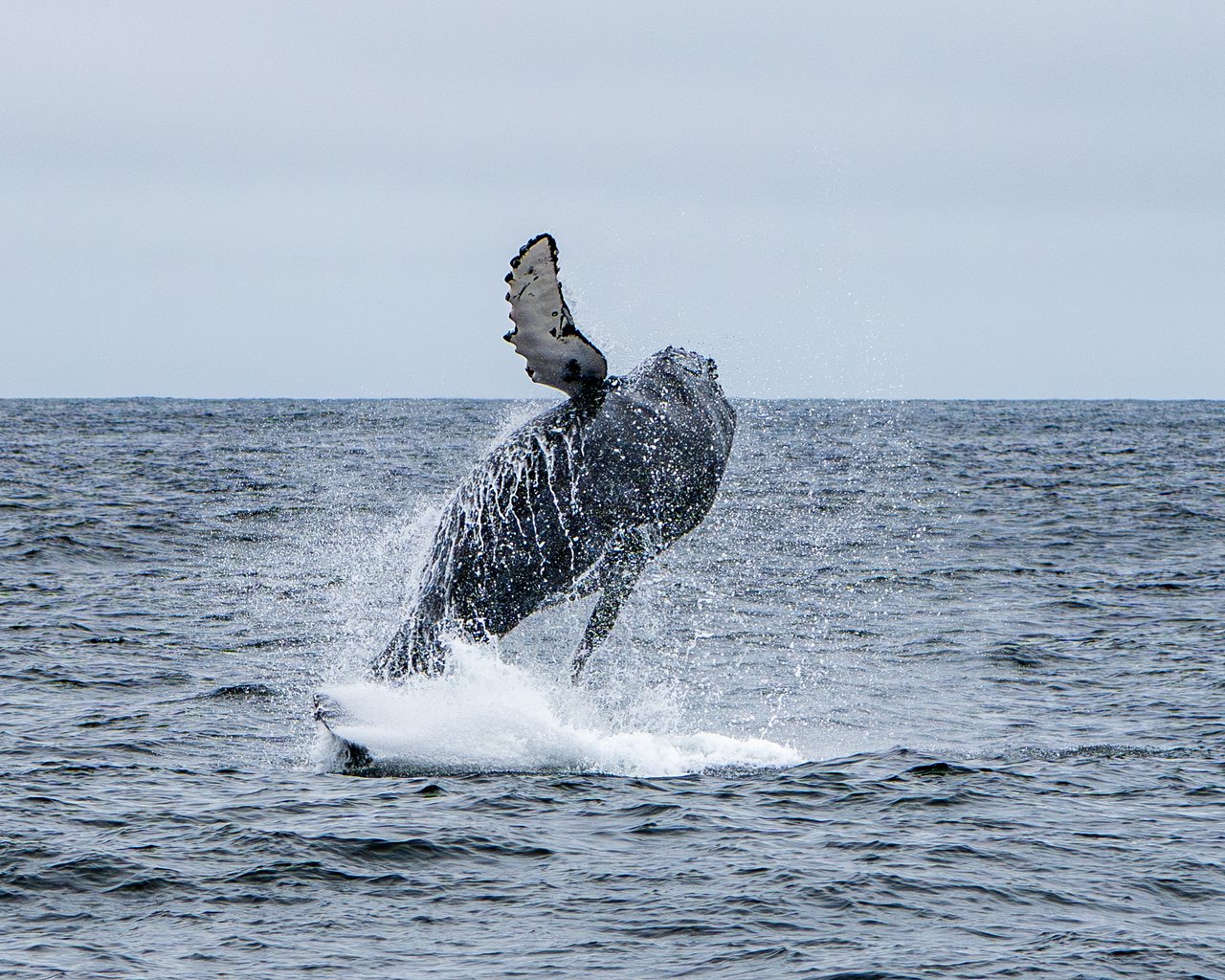
In recent years, humpback whales have been seen with greater frequency in our area. On a calm summer morning, it's not unusual to spot several from the Pillar Point bluffs — breaching, slapping the water with their long white flippers, or simply rolling at the surface.
Blue Whales — June through October
The rarest sighting, and the most unforgettable. Weighing up to 200 tons and reaching lengths of 100 feet, blue whales are the largest animals to ever live on Earth. Though rare, they can occasionally be spotted feeding offshore in deeper waters during late spring through fall. Your best shot at seeing one is from a boat rather than the shore — but when they do appear, nothing prepares you for the scale of them.
The Best Spots to Watch from Shore
Pillar Point Bluff, Moss Beach
This is the Coastside's premier whale-watching perch and for good reason. Pillar Point boasts several A+ vantage points to gaze out at the ocean, along with a couple of benches along the way where you might sit and watch for whales. The bluff sits directly above the migration corridor, giving you an elevated, unobstructed view of the open Pacific. On clear mornings, you can see spouts from surprisingly far out.
Parking tip: Street parking on Bernal Avenue gives you access to a mostly flat section of trail that works well for strollers and wheelchairs.
Mori Point, Pacifica
Mori Point's bluff-top trails are popular for spotting both gray and humpback whales during migration seasons, while the Esplanade Overlook nearby provides quick access and sweeping views right from the edge of town. Plan your visit in the morning or early evening for the best light and least wind.
Cowell-Purisima Trail, Half Moon Bay
The north end of this route starts just south of Half Moon Bay. A wide, hard-packed dirt path leads slightly downhill to a bluff, which is a great spot to set your sights on both whales and seals, and you can also hike south from here for more great viewing spots.
Pescadero State Beach
For those who want to get away from the crowds, this wild, windswept stretch of coastline offers stunning ocean views, tide pools, and plenty of space to spot whales in peace — especially during peak migration season.
Pigeon Point Lighthouse
One of the most dramatic settings on the entire coast. The lighthouse bluff sits high above the water and offers a long sightline in both directions — worth the drive south, especially during the gray whale season.
Go by Boat: Whale Watching Tours from Pillar Point Harbor
Shore watching is wonderful, but nothing compares to being out on the water. Pillar Point Harbor is home to several operators running whale watching trips throughout the season.
Oceanic Society runs educational gray whale watching cruises from Half Moon Bay on weekends from January through March — a non-profit organization that has been leading whale watching trips in the Bay Area since 1972. Their naturalist guides make the experience genuinely educational, not just a sightseeing trip.
Queen of Hearts offers three-hour whale watching trips departing at 10am and 1pm on weekends during January, February, and March, with private charters available any day by arrangement.
Riptide Charters also runs whale watching trips out of Pillar Point Harbor and is a great option for smaller groups looking for a more personal experience.
Book ahead — weekend trips during peak gray whale season fill up fast.
Tips for a Great Sighting
Timing matters. Most whale sightings are likely to occur in the mornings and late afternoons. Calm, clear days with low wind are ideal, the flat water makes it much easier to spot a spout or a surfacing back.
Know what to look for. A telltale sign of a whale close to the surface is a spout of sea spray, which is evidence of a whale taking a breath. Once you spot one spout, keep your eyes on that area, whales typically surface several times before diving.
Bring binoculars. This is non-negotiable. A good pair of binoculars transforms a distant dark shape into a genuine encounter. 8x42 or 10x42 are ideal for coastal watching.
Gray whale mothers swim closer to shore. Gray whale mothers with calves tend to swim closer to the shore and also tend to swim a little slower, making them easier to spot from cliff-side trails. If you're watching in March or April, focus your attention on the nearshore waters.
Dress for the coast. The bluffs are almost always windier and cooler than you expect. Layers, a windproof jacket, sunglasses, and a hat will make the difference between a comfortable morning and a miserable one.
Be patient. Whale watching is not a guarantee, it's a practice. Some mornings you'll see a dozen spouts in an hour. Some mornings the ocean is quiet. Either way, you're standing on a bluff above the Pacific, which is never a bad place to be.
A Quick Seasonal Cheat Sheet
| Species | Best Months | Viewing |
|---|---|---|
| Gray Whale (southbound) | December – March | Shore & boat |
| Gray Whale (northbound, with calves) | March – May | Shore & boat |
| Humpback Whale | May – November | Shore & boat |
| Blue Whale | June – October | Boat recommended |
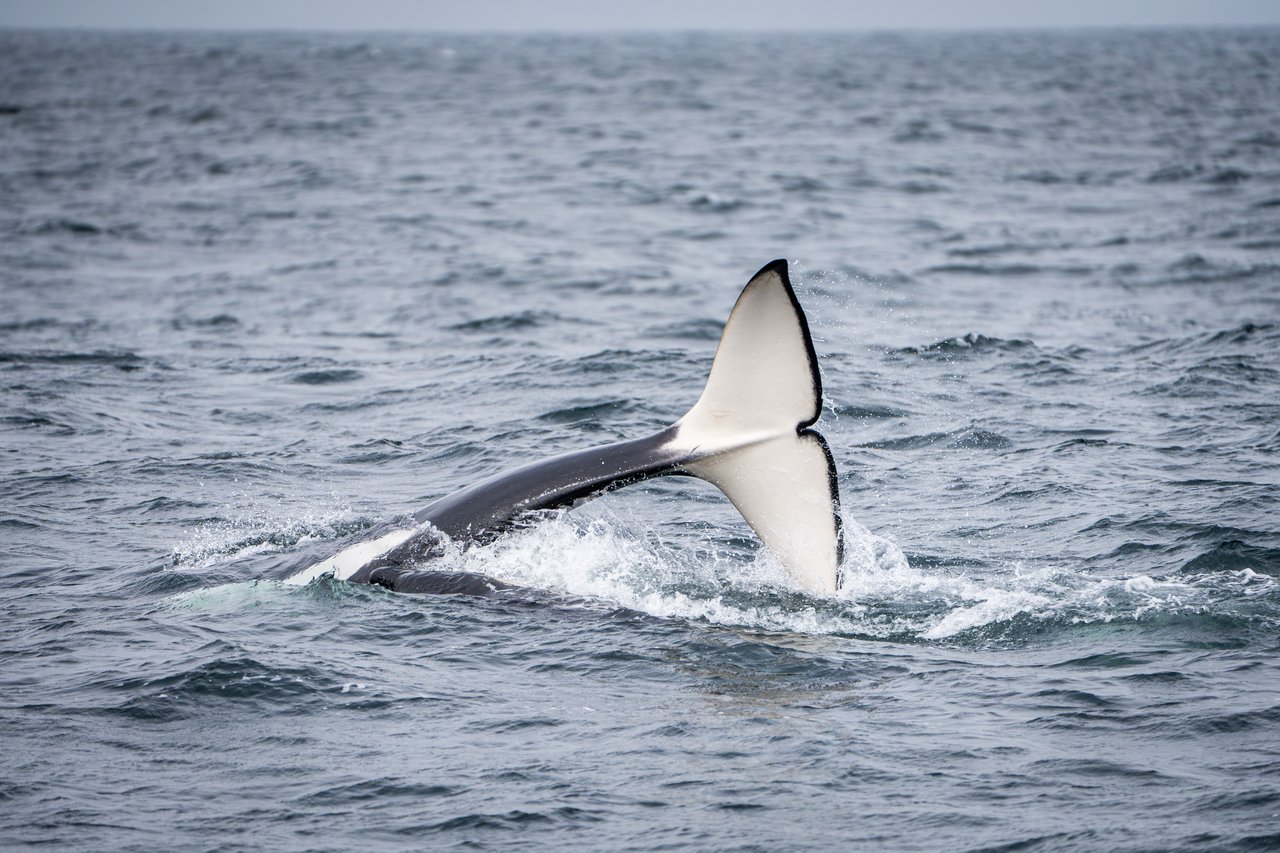
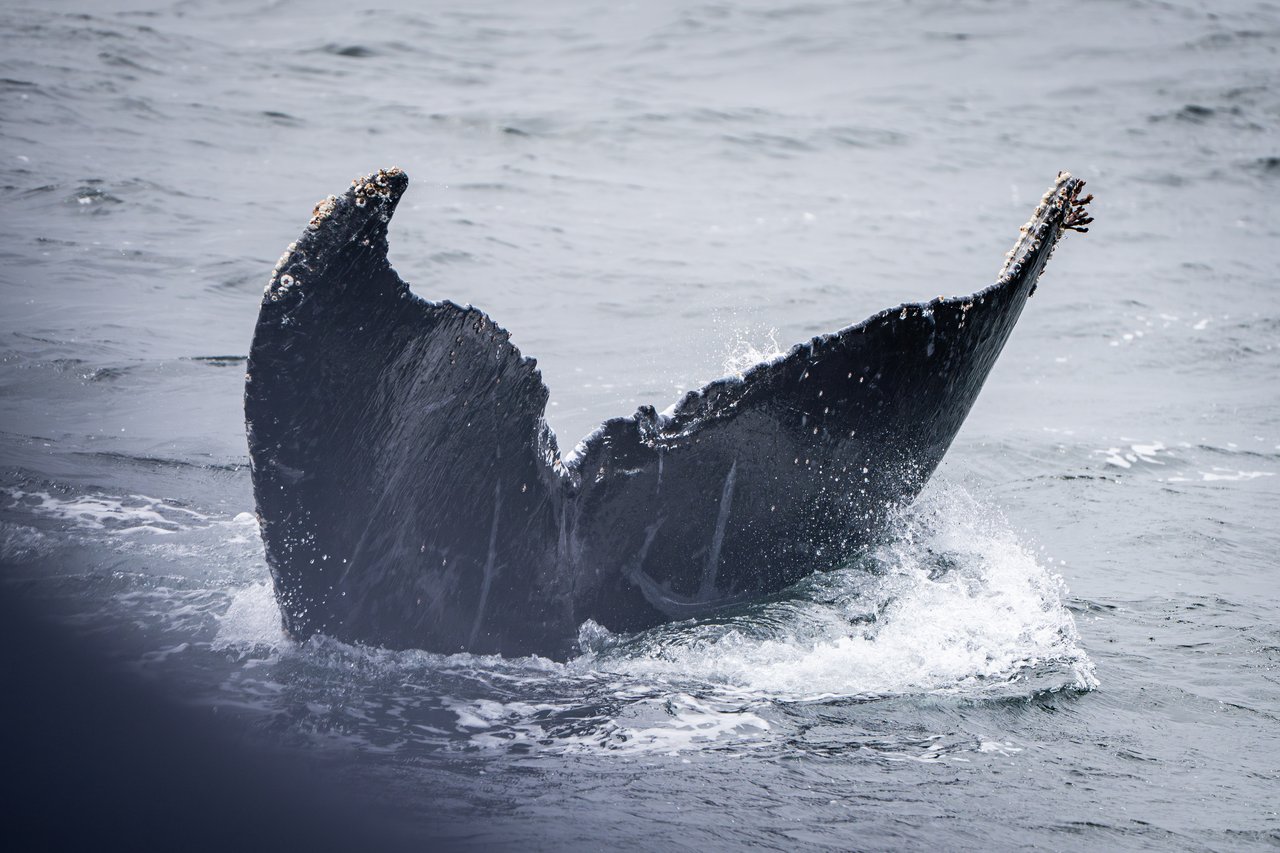
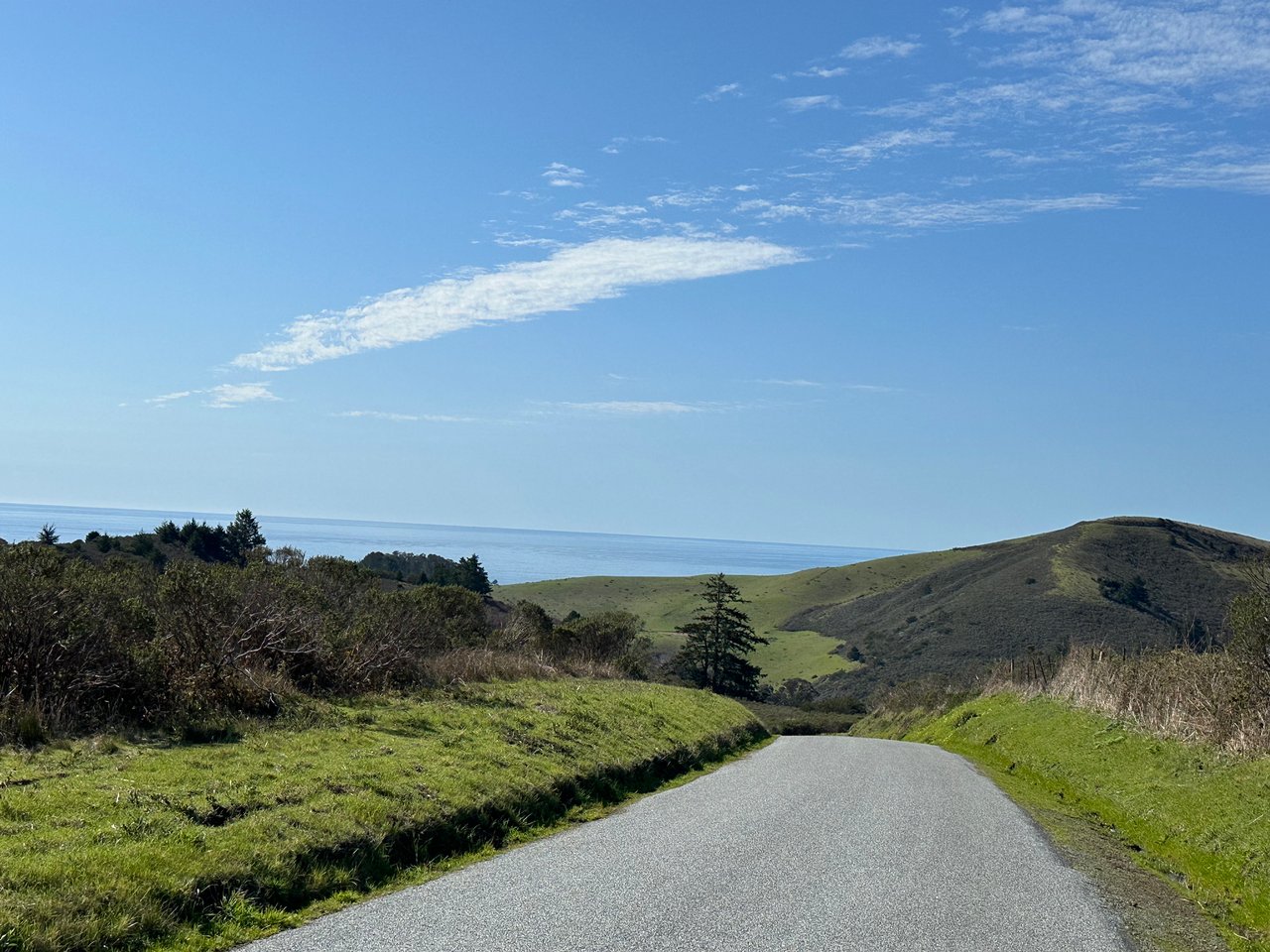
Images by Pete Collom Photography @petecollomart
This is the kind of place where the wildlife remind you who the real locals are. If watching whales from your own backyard sounds like the life you're looking for, we'd love to talk. Reach out to the Ocean Element team — we're always happy to share what makes the Coastside so special.